

As building sector continues to change, the method we obtain and handle heavy equipment is experiencing a significant transformation. Machinery leasing has emerged as a feasible alternative to purchasing, allowing contractors to maintain versatility and stay aligned with industry requirements without making hefty financial investments. This shift not only helps handle finances but also opens up opportunities for small and medium-sized contractors to access the latest innovations and equipment that would otherwise be out of reach.
However, managing the world of construction machinery leasing requires careful thought and knowledgeable decision-making. With a variety of lease providers and options on offer, it is crucial for contractors to understand what to look for in a reliable leasing provider. This article aims to guide you in the important factors to evaluate before entering into a leasing agreement, ensuring you find a provider that understands your project needs and can support your business objectives successfully. From evaluating lease conditions to identifying hidden fees, we will discuss all the basics to help you make educated choices in this ever-changing landscape.
Choosing the Right Lease Partner
Identifying the appropriate leasing partner is vital for the success of a building initiative. A dependable tool rental company should not just offer top-notch machinery but also match with your distinct project requirements and schedules. Dedicate the time to examine prospective providers by looking into their track record, customer reviews, and the breadth of their equipment selection. This due diligence will ensure confirm that you pick a company capable of aiding your construction goals efficiently.
When assessing rental partners, consider their level of client service. A trustworthy rental provider will supply ongoing assistance to address any issues that may come up during the lease term. This features timely updates, accessibility to informed personnel, and a openness to accommodate changes in your initiative specifications. A provider that emphasizes client service can make a considerable impact in how well your initiative advances.
Lastly, be mindful of leasing agreements and conditions. A clear lease provider will clearly outline costs, upkeep duties, and any likely penalties. Before signing any lease document, thoroughly read the details to comprehend the economic effects and verify you are not caught off guard by hidden fees. By emphasizing on these elements, you can select a lease provider that improves your building activities rather than complicates them.
Key Considerations for Equipment Leasing
As you entering into a building equipment lease, it is important to carefully evaluate the terms provided by the lessor. This includes not only the installments but also the duration of the lease and any fees associated with early termination. Understanding the total cost of the lease, including upkeep and any additional charges, can help prevent unexpected financial strains. It's crucial to compare multiple lease options to ensure you are making an informed decision that aligns with your budget for the project and timelines.
Another important aspect to consider is the flexibility of the lease agreement. As construction projects can often face changes in requirements or delays, possessing a lease that allows for modifications—such as prolonging the term or swapping equipment—can be highly advantageous. Additionally, look for leasing companies that offer a range of equipment to meet diverse project needs, allowing you to scale your equipment usage effectively without substantial financial commitments.
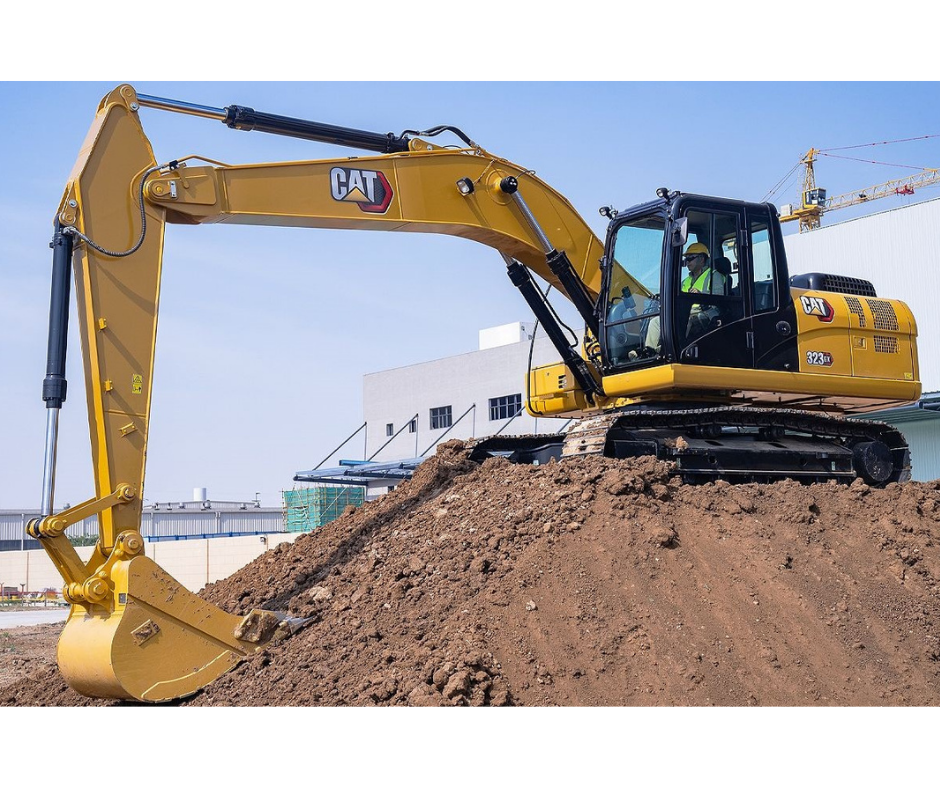
Lastly, the reputation of the leasing company plays a critical role in your overall experience. Researching customer reviews and seeking testimonials can help identify reliable providers. Pay attention to the responsiveness of customer service and the availability of technical support during your leasing period. A trustworthy leasing partner not only provides quality equipment but also ensures you have the necessary support to maintain productivity on the build site.
Reviewing Lease Terms and Terms
Grasping the lease terms and conditions is crucial when committing to an equipment leasing agreement. First, meticulously examining the duration of the rental and the payment schedule. Confirm how often payments are due and whether there are any fines for late payments. read this post here helps you organize your cash flow and guarantees you satisfy your monetary responsibilities without stress.
An additional important element to consider is the upkeep and support provisions included in the lease. Ensure if the agreement includes routine upkeep and fixes, as this can significantly impact your enterprise's efficiency. Pay attention to the obligations outlined for both parties regarding equipment upkeep and any terms related to warranty coverage. Understanding what is and isn’t included will help you sidestep unexpected expenses.
Finally, look for transparency in the lease terms, especially relating to fees. Secret costs can turn a seemingly favorable lease into an costly one. Review the fine print for any additional charges, such as insurance fees, or charges associated with machinery return or cancellation. A thorough understanding of all potential costs associated with the agreement will enable you to make an informed decision that matches your initiative's budget and demands.